
World Book Day Northern Ireland often arrives with a mixture of excitement and mild panic. Costumes are organised, favourite characters are debated, and parents find themselves searching wardrobes for something that resembles a well-known figure from a children’s novel.
While dressing up is undoubtedly part of the fun, World Book Day Northern Ireland offers something far more meaningful than a themed outfit. It provides a natural moment to reflect on the role reading plays in a child’s confidence, development and long-term success.
Why World Book Day Northern Ireland Still Matters
For many children, reading is woven comfortably into daily life. For others, it can feel more like an obligation. As a teacher working with pupils across primary year groups, I am always interested in how children speak about books. Some talk enthusiastically about characters they admire or plot twists that surprised them. Others hesitate, unsure what to choose next. A small number quietly admit that they “don’t really like reading”, which often means they simply have not yet found something that feels accessible or enjoyable.
Reading is not simply about pronouncing words correctly. It is about understanding, interpreting, questioning and connecting ideas. When children begin to see themselves as capable readers, their confidence grows in ways that extend well beyond English lessons.
Why Primary 5 Is Such a Crucial Stage

By Primary 5, most children are secure in basic decoding and are reading with increasing fluency. At this stage, the emphasis shifts more firmly towards comprehension. Texts become longer and more layered. Vocabulary becomes more varied. Questions require pupils to justify their thinking rather than simply locate a sentence in the passage.
For many families, this is the point where reading begins to feel more demanding. Children are asked to explain why a character behaved in a particular way, summarise events clearly, and interpret subtle clues within a story. These are not skills that develop instantly. They strengthen gradually through repetition, modelling and discussion.
Primary 5 is also a year that quietly lays foundations for later academic expectations in Northern Ireland. Although formal preparation for the SEAG Transfer Test may still feel some distance away, the comprehension skills required in later years are built steadily now. Strong vocabulary, the ability to infer meaning, and the confidence to explain ideas clearly are developed over time rather than rushed in Primary 6.
In my current Primary 5 classes, we are working methodically through the key comprehension strands using the Literacy Shed VIPERS framework. This approach focuses on six essential areas of reading: vocabulary, inference, prediction, explanation, retrieval and sequencing. Revisiting each strand carefully allows pupils to understand not only what the answer is, but how they reached it. That clarity builds confidence.
When children can explain their reasoning and refer back to evidence in the text, their sense of assurance increases. They no longer feel they are guessing. They feel prepared.
The Power of Everyday Reading Conversations

World Book Day in Northern Ireland is also a reminder that reading development does not happen solely within classroom walls. Small, consistent conversations at home can make a significant difference.
Across schools, World Book Day Northern Ireland encourages families to pause and reflect on the importance of reading beyond the classroom.
When reading with your child, gentle questions such as “Why do you think the character did that?” or “What makes you think they were feeling nervous?” encourage deeper thinking. These prompts shift the focus from finishing pages to understanding ideas. Importantly, they do so without turning reading into a formal lesson.
Parents sometimes worry about asking the “right” questions. In truth, curiosity is more valuable than perfection. Encouraging children to explain their thinking builds confidence in articulating ideas, which supports learning across all subjects.
It can also be helpful to broaden what counts as reading. While novels are invaluable, non-fiction texts about hobbies, sports articles, biographies, recipe books, instruction manuals and even well-written online pieces all contribute to vocabulary and comprehension. Exposure to varied writing styles prepares children to approach unfamiliar texts with greater confidence.
When Progress Feels Quiet

One of the most common concerns parents express is that progress in reading does not always appear obvious. Improvement is not always marked by dramatic leaps. Often it shows itself in subtle ways.
A child may begin to pause before answering a question. They may re-read a sentence to check understanding. They might change an answer after noticing a detail they initially missed. These are not signs of weakness. They are signs of thinking.
Reading comprehension is as much about reflection as it is about speed. Encouraging children to slow down, revisit the text and justify their ideas helps deepen understanding. Over time, these habits become automatic.
Confidence in reading is built through steady reinforcement rather than sudden breakthroughs. The more children practise explaining their thinking, the more secure they feel.
Modelling Reading as Part of Everyday Life
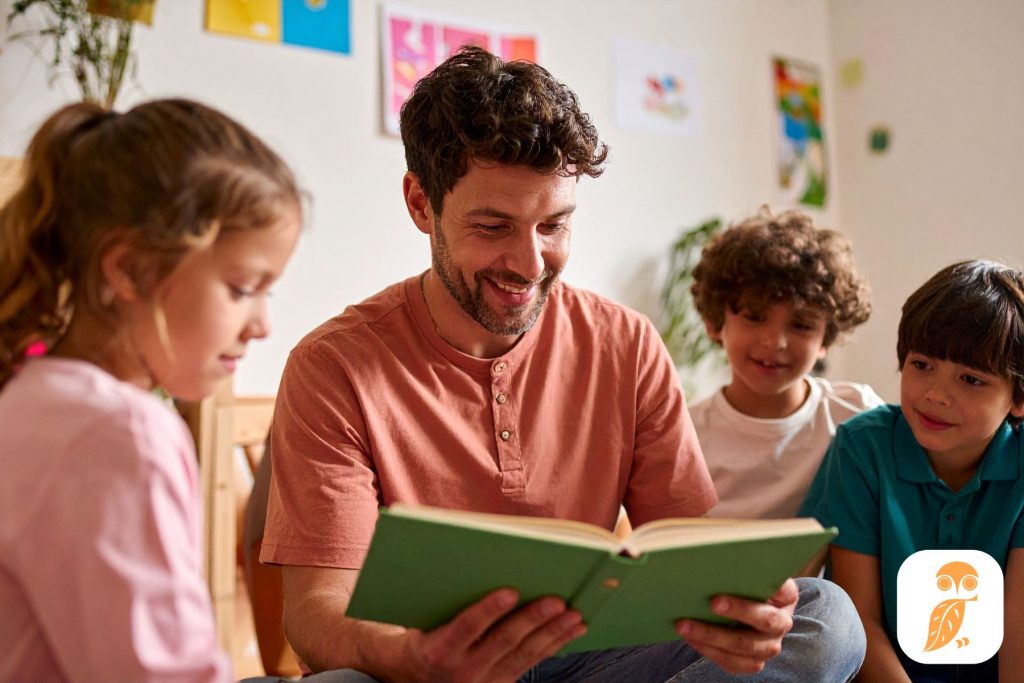
Children also absorb attitudes towards reading from the adults around them. When they see parents, older siblings or teachers reading for enjoyment or curiosity, they begin to view reading as something meaningful rather than merely academic.
Conversations about articles in the newspaper, sharing interesting facts from a non-fiction book, or discussing a story read before bedtime all reinforce the idea that reading is woven into everyday life.
World Book Day in Northern Ireland provides a useful reminder of this broader perspective. While the costume may attract attention for a day, the habits surrounding reading endure far longer.
Building for the Years Ahead

Strong reading habits established during Primary 5 make a substantial difference later. When children move into Primary 6 and beyond, the demands of comprehension increase naturally. Pupils who are comfortable discussing texts, identifying evidence and explaining their reasoning approach these challenges more calmly.
Preparation for future assessments, including the SEAG Transfer Test, becomes far more manageable when foundational reading skills are secure. However, those foundations are best laid without pressure. They grow steadily through discussion, varied reading material and opportunities to think deeply about what is being read. That is why events such as World Book Day Northern Ireland matter far more than a single themed celebration.
World Book Day is, at its heart, a celebration of imagination and storytelling. It encourages children to step into different worlds, encounter diverse perspectives and develop empathy through characters and experiences.
The costume may last for a day. The conversations sparked by a book can last much longer. And the confidence built through steady reading habits can support children for years to come.
When children begin to see themselves as capable, thoughtful readers, much else becomes more manageable.
World Book Day Northern Ireland is, at its heart, a celebration of imagination and storytelling.