

The release of the SEAG Transfer Test results marks a significant moment for families across Northern Ireland. For some, it brings celebration and relief. For others, it brings disappointment, uncertainty, and a lot of questions about what happens next. All of these reactions are completely normal.
Results day often feels like a finishing line, but in reality, it is simply a milestone. For children, it is one moment in a much longer educational journey. For parents, it is a time to pause, reflect, and refocus on what really matters moving forward.
Celebrating Effort and Achievement

For the children who achieved the result they were hoping for, this is a moment worth acknowledging. Preparing for the SEAG Transfer Test takes commitment, resilience, and a willingness to keep going even when learning feels challenging. Those qualities deserve recognition.
I was especially proud of my own pupils this year. Watching their confidence grow, seeing them learn to trust their own thinking, and knowing how much effort they put in made results day a very positive one. Each child approached the process in their own way, and their determination never went unnoticed.
When Results Were Not as Hoped

It is just as important to speak directly to families whose children did not receive the result they had hoped for. Across Northern Ireland, many pupils opened letters that felt heavy and disappointing. That feeling is real, and it deserves space.
What matters most is this: the SEAG Transfer Test result does not define a child, nor does it limit who they can become. One exam, taken on one set of days, cannot measure creativity, kindness, resilience, leadership, or long term potential. Many successful adults followed routes that were not obvious or straightforward at age eleven. This result does not close doors. It simply changes the route.
Children take their emotional cues from adults. Calm reassurance, perspective, and belief in them matter far more than any score.
Turning Attention to the Current Primary 6 Children

As the chapter closes for last year’s pupils, full attention now turns to the current Primary 6 children. This is the stage where effective preparation is built steadily and sensibly, without panic or pressure.
At this point in the year, my focus is on working carefully through the SEAG specification. This means concentrating on what can actually appear on the test and methodically ticking off key topics. Strong foundations are essential. When these are secure, children feel more confident and less overwhelmed as the year progresses.
Introducing SEAG Style Questions Early

Alongside building knowledge, I introduce SEAG-style questions towards the end of lessons. This is done gradually and calmly. Early exposure helps children understand how questions are presented, how information is worded, and what examiners are really asking.
By seeing this style early on, pupils become familiar with expectations long before pressure increases. SEAG-style questions stop feeling intimidating and instead become just another part of learning.
Learning Effectively Through Zoom

All lessons take place via Zoom, which continues to work extremely well for Transfer Test preparation. Children learn from the comfort of their own home, in a familiar environment where they feel at ease.
Lessons are designed to encourage independence, focus, and confidence. Parents are free to check in if they wish, but the structure of lessons allows children to engage fully and develop responsibility for their own learning.
The Importance of Small Groups
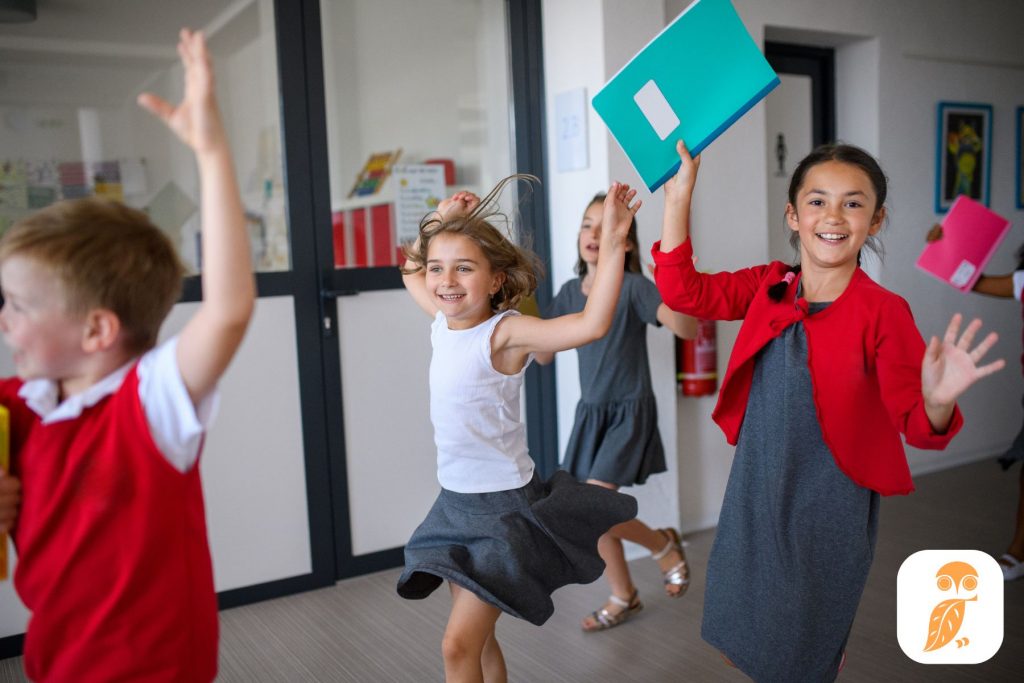
Group size matters. Lessons are delivered in small groups, with a maximum of five children. This allows strong relationships to develop and ensures that every child is known and supported.
Throughout each lesson, I continually assess understanding through questioning, discussion, and the Zoom chat feature. For maths in particular, children can send answers privately through the chat. This gives instant feedback on who understands the task and who needs support, without drawing attention to mistakes or creating pressure.
When a child gets an answer right, I often ask them to explain their thinking to the group. This reinforces understanding and builds confidence. Children begin to realise that they are capable of explaining ideas clearly, which is a powerful confidence boost.
How Lessons Are Structured

Each lesson lasts one hour and fifteen minutes. We begin with a short catch up to settle the group and build rapport. We finish with games that strengthen relationships and keep learning positive. This still leaves a focused hour and five minutes for teaching, where learning is structured, purposeful, and calm.
Consistency matters. Children know what to expect, which helps them feel secure and focused.
Experience That Builds Confidence

I qualified as a teacher ten years ago and this is now my seventh year supporting children through the SEAG Transfer Test. Over time, I have developed a wide range of strategies to support children with different strengths, learning styles, and needs.
I also keep detailed records of questions that have appeared in actual tests, as reported back to me by my own pupils. These are used as benchmarks when creating my own questions, ensuring children practise at the correct level and become genuinely familiar with expectations.
Availability and Next Steps

Following the release of SEAG Transfer Test results, I have received a high number of new enquiries. Due to small group sizes and a commitment to quality, spaces are extremely limited.
Parents who would like to explore whether tutoring would be suitable for their child are welcome to contact me using the details below to arrange a free, no obligation chat or informal assessment. This allows us to talk through a child’s needs and decide on next steps without pressure.
Parents and guardians may also wish to view my Google reviews, where families share their experiences and the progress their children have made.
Looking Ahead
Results day matters, but it is not the full story. What carries children forward is confidence, consistency, and belief. With the right support and a calm approach, Primary 6 can be a year of growth rather than stress.