
Why Small Habits Matter in Primary School
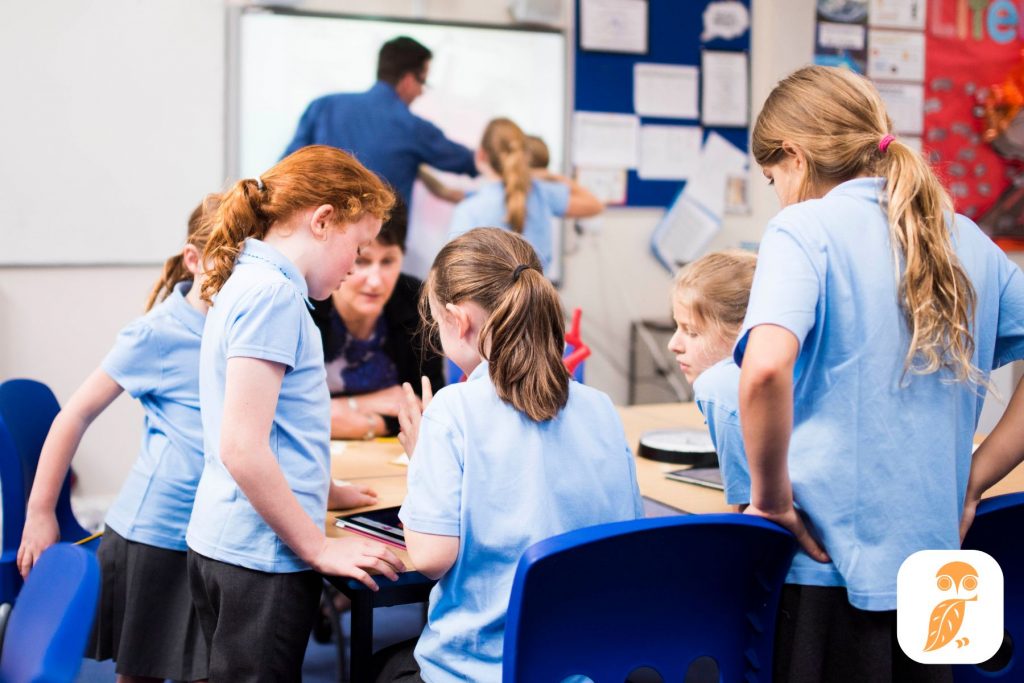
Primary school learning is built on small, consistent habits that help children develop confidence over time. Many parents feel pressure to set aside long periods for homework or revision, but in reality, it is consistency rather than intensity that has the greatest impact. When learning becomes part of a regular routine, children develop confidence naturally and begin to approach their work with greater ease. These small routines play an important role in primary school learning, helping children feel more secure in reading, maths and everyday tasks.
A child who reads for twenty minutes most days will make far more progress than one who reads for an hour once a week. The same applies to maths and written work. Short, focused sessions allow children to stay engaged while building confidence through repeated success. Over time, these small habits become part of everyday life, making learning feel manageable rather than overwhelming.
Supporting Primary School Learning at Home
Reading is one of the most effective ways to support learning in primary school. It strengthens vocabulary, improves comprehension and helps children understand how language works in context. More importantly, it builds confidence.
Encouraging children to read little and often is far more beneficial than setting large, unrealistic targets. Even ten to twenty minutes each day can make a noticeable difference. Over time, children become more fluent, begin to recognise patterns in language and feel more comfortable approaching new texts.
Talking about reading is just as important as the reading itself. Asking simple questions about characters, events, or opinions encourages children to think more deeply without making it feel like a test. These small conversations help children develop understanding and build confidence in expressing their ideas.
Building Strong Maths Habits
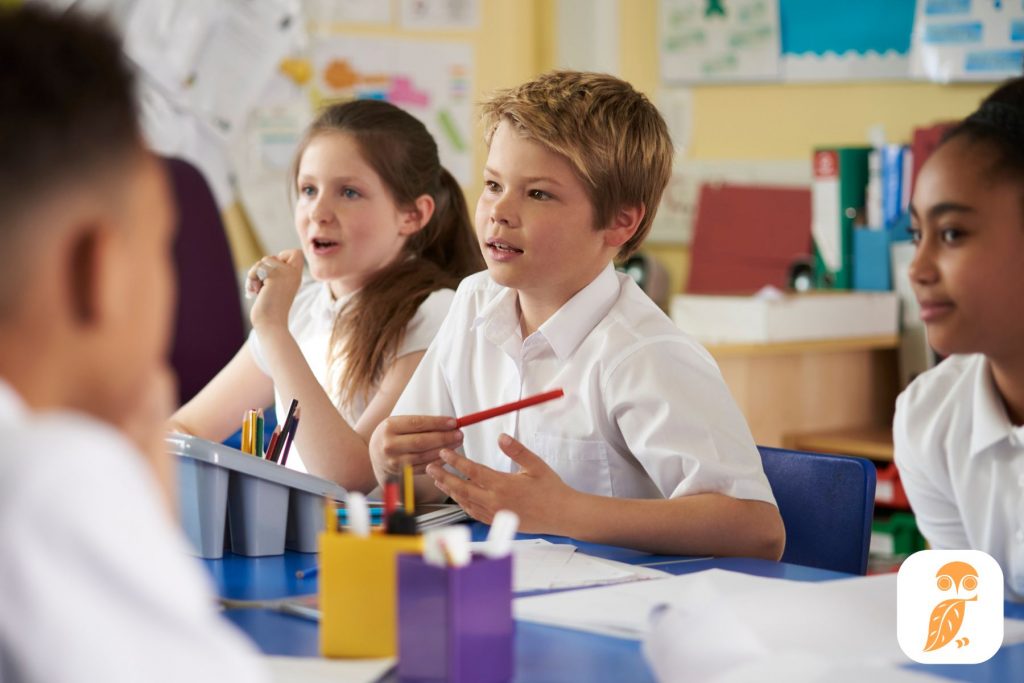
In maths, small habits are equally important. Confidence often comes from familiarity, and regular exposure to key skills helps children recognise patterns and approach problems more calmly.
Short bursts of practice, such as revisiting times tables or number facts, can make a significant difference over time. These do not need to be long or complicated sessions. A few minutes of focused practice each day helps to build fluency and reduces hesitation when children encounter similar questions in class.
Asking children to explain how they reached an answer is particularly valuable. When they can talk through their thinking, it reinforces understanding and highlights any gaps. This simple habit encourages deeper learning and helps children become more confident problem solvers.
Online games can also play a useful role here. They can make times tables practice more engaging, helping children build speed and accuracy while enjoying the process.
The Importance of Routine
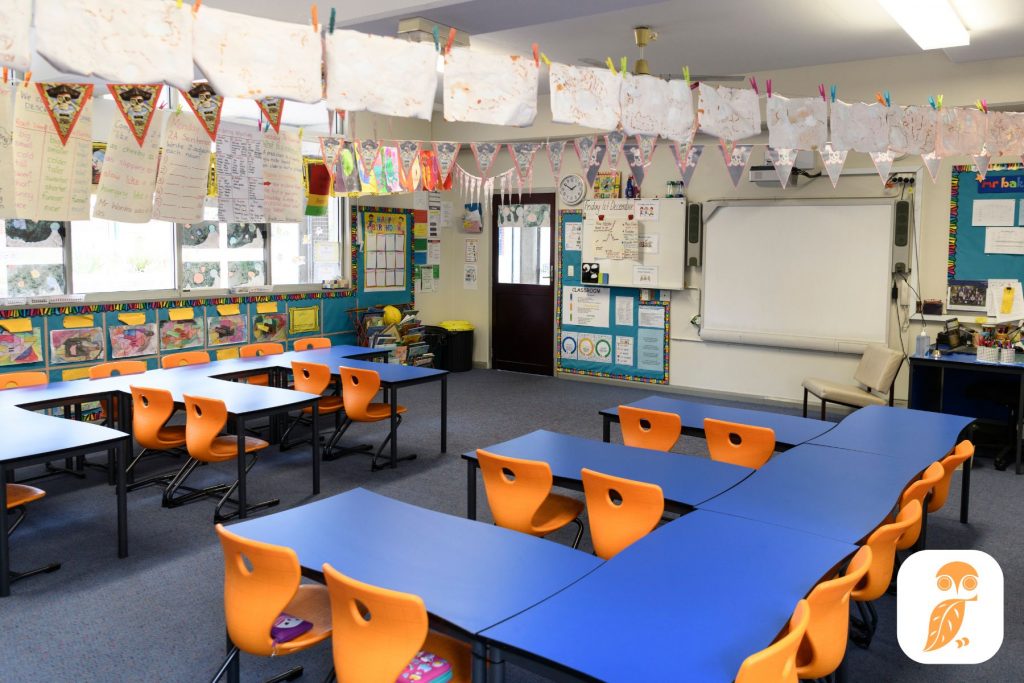
Routine is one of the most effective ways to support learning at home. Children feel more comfortable when they know what to expect, and a simple structure can make daily practice feel less like a chore.
This does not need to be strict or rigid. Something as simple as reading after dinner or completing a short maths task before a favourite activity can quickly become part of the day. Over time, these routines feel natural rather than forced.
It is also helpful to consider when your child is most focused. Some children concentrate better earlier in the evening, while others may benefit from short sessions in the morning at weekends. Finding a routine that suits your child makes it far more likely that these habits will be maintained.
Keeping Learning Positive
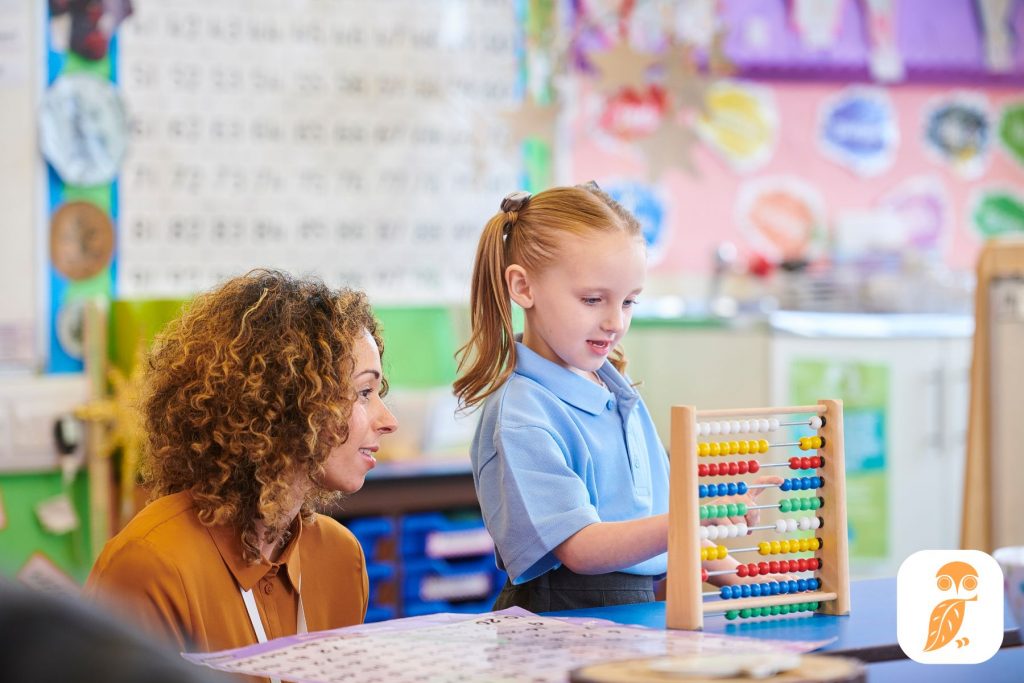
A positive atmosphere is essential when supporting learning at home. Children are far more likely to engage when they feel supported and encouraged rather than pressured.
Praise should focus on effort as well as accuracy. Recognising when a child has tried hard or improved, even slightly, helps to build motivation and confidence. When children feel that their effort is valued, they are more willing to continue practising and take on new challenges.
It is also important not to overcorrect. Mistakes are a natural part of learning, and allowing children time to think and adjust their answers can be more beneficial than stepping in too quickly. When children feel comfortable making mistakes, they become more resilient learners.
Small Habits and Long-Term Progress
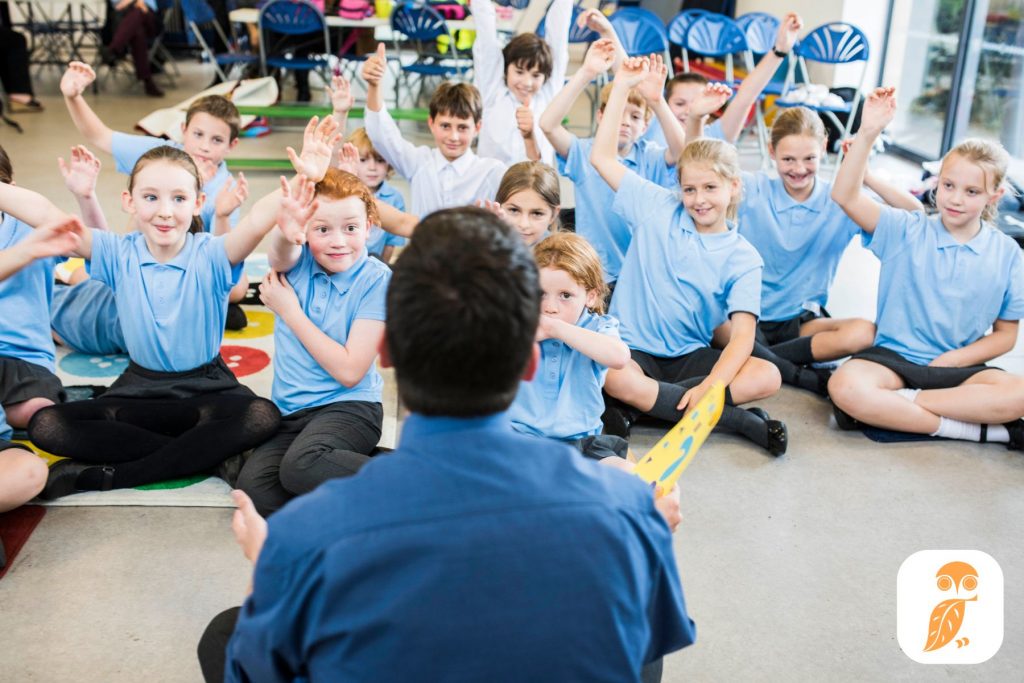
Small habits may seem simple, but their impact over time is significant. Regular reading, short maths practice, and simple conversations about learning all contribute to a strong foundation.
Across Northern Ireland, many parents begin to think ahead as their children move through primary school. While assessments such as the SEAG Transfer Test may still feel some distance away, the skills required for success are built gradually. Confidence in reading, secure number knowledge and the ability to explain thinking all develop through consistent practice rather than sudden bursts of work.
Children who develop these habits early often find later challenges more manageable because they are already comfortable with the learning process.
A Balanced Approach to Learning
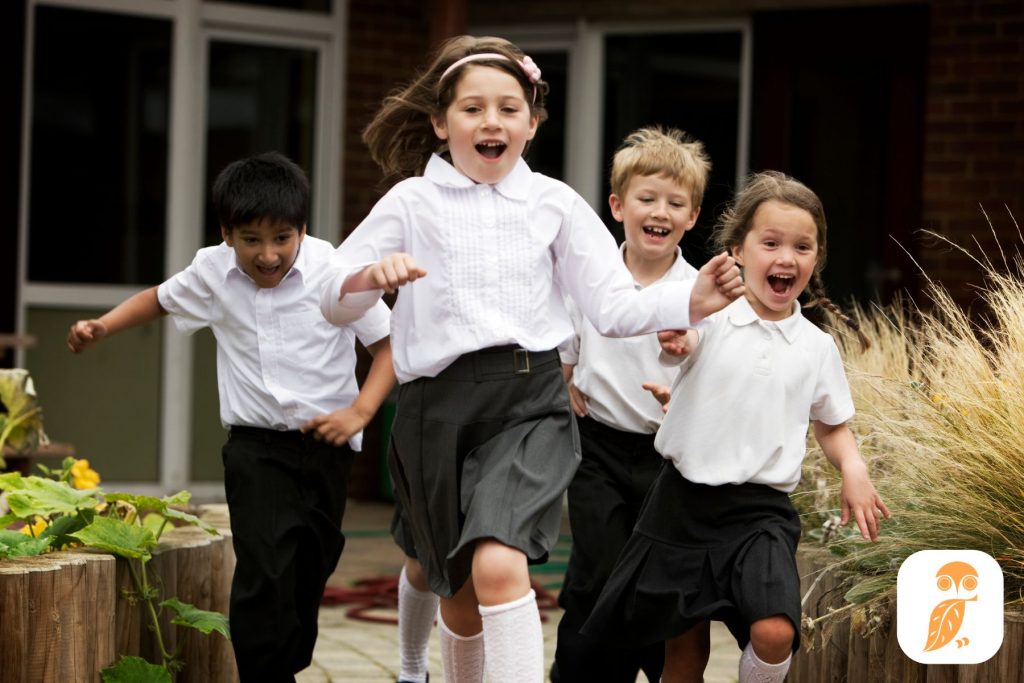
It is easy to assume that more work leads to faster progress, but this is rarely the case. In primary school, a balanced approach is far more effective. Children need time to practise, but they also need time to rest and enjoy other activities.
When learning feels manageable, children are more likely to stay engaged and develop a positive attitude towards their work. This balance helps to prevent frustration and keeps motivation high over longer periods.
Ultimately, small, consistent habits allow children to build confidence steadily. They begin to feel more capable, more willing to take on challenges and better prepared for the next stage of their learning.
Building Confidence Through Simple Habits
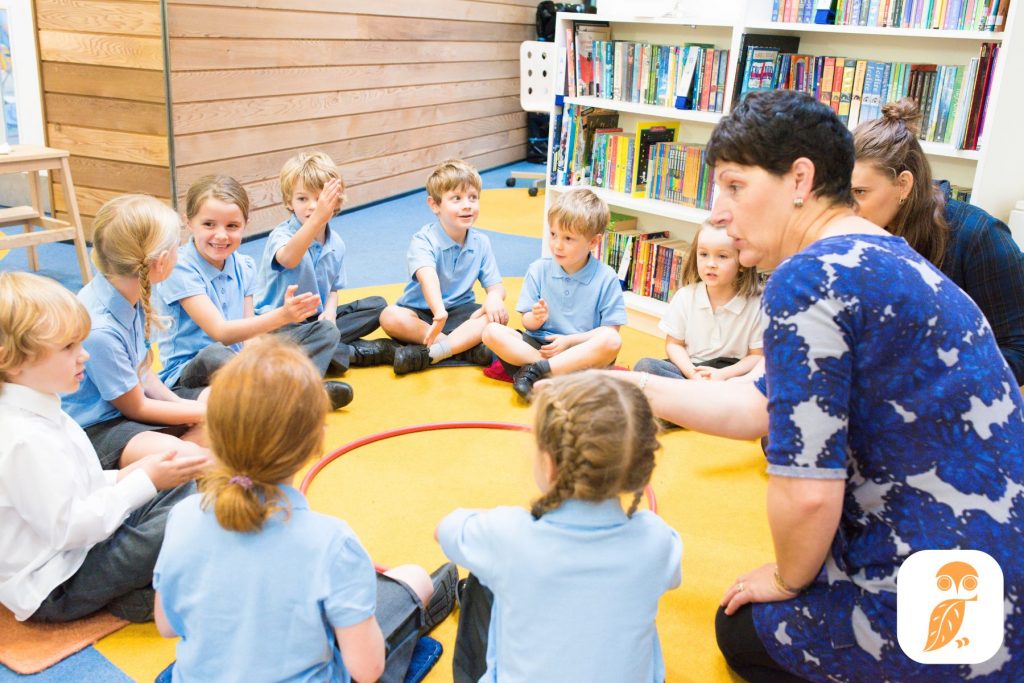
In many ways, it is the simplest approaches that have the greatest impact. A few minutes of reading each day, regular practice of key maths skills and supportive conversations at home can all make a lasting difference.
When these habits are in place, progress feels natural rather than forced. Children begin to see themselves as capable learners, which is one of the most valuable outcomes of all. Strong primary school learning foundations make later challenges feel far more manageable.