
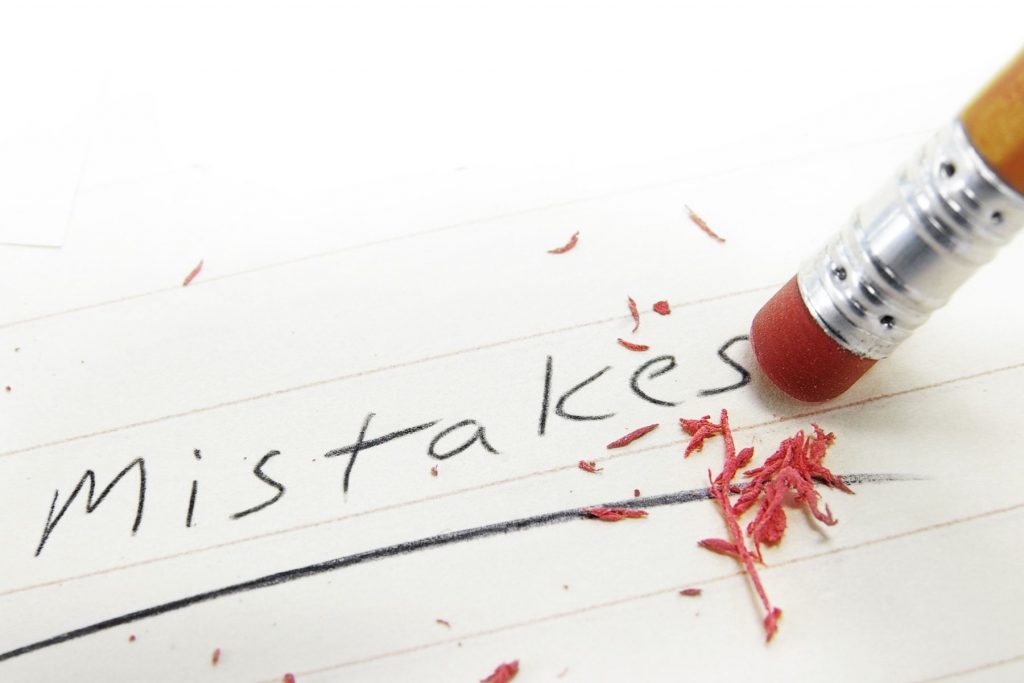
Every Mistake Tells Us Something
Learning from mistakes is one of the most effective ways children develop confidence and understanding. One of the biggest misconceptions I come across is that mistakes are something children should try to avoid. In reality, mistakes are one of the most valuable parts of learning.
Whether a child is preparing for the SEAG Transfer Test or simply aiming to become more confident in English and maths, mistakes provide important information. They show us what a child already understands, what they nearly understand and what still needs a little more attention. Rather than becoming frustrated by mistakes, I always encourage children to see them as opportunities. Every incorrect answer gives us something to work on, and that is where real progress begins.
Not All Mistakes Are the Same

Over the years, I have found that mistakes generally fall into two categories.
The first are what I often call “silly mistakes”. These are questions where a child already has the knowledge but loses marks because they misread part of the question, skipped a step, copied down the wrong number or produced rushed or untidy working out. These mistakes can often be reduced by developing good habits. I encourage children to keep their working out neat and organised, underline or highlight key words in longer questions and check that they have completed every part before moving on. Quite often, a few extra seconds spent reading the question carefully can save several marks.
The second type of mistake is much more valuable. These are genuine knowledge gaps where a child has simply not learned a topic yet or needs a little more practice. These are the mistakes I actually enjoy finding because they tell me exactly what we should focus on next. Rather than saying, “You got this wrong,” I much prefer saying, “Brilliant, we’ve found our next learning point.”
It is easy for children to become disappointed by a score, but I always encourage them to look at everything they answered correctly as well. Progress should never be judged by one or two questions alone.
Why Corrections Matter

After every practice paper, I ask children to work through their corrections. Rather than simply showing them the correct answer, I encourage them to solve the question themselves after we have discussed the method together. Once they have completed their corrections, I add those corrected answers to their original score.
This gives children a much clearer picture of what they are capable of once mistakes have been understood and corrected. More importantly, it helps shift the focus away from simply chasing marks and towards developing understanding. Children are often surprised by how much they actually knew. A disappointing score can quickly become a confidence boost once those avoidable mistakes have been put right.
One thing I have noticed over the years is that children rarely forget a mistake they have fully understood. When they are encouraged to identify where things went wrong and then solve the problem correctly themselves, the learning tends to last much longer. That is why I always encourage parents to ask questions rather than immediately giving the answer. A simple prompt such as, “Can you spot where things started to go wrong?” often leads to much deeper understanding than simply telling a child the correct answer.
Running Out of Time

Another concern I hear regularly from parents is that their child is running out of time during practice papers. My advice is usually not to panic.
Instead, I ask children to draw a line underneath the last question they completed before the time ran out. They then continue working through the remainder of the paper without any time restriction. This allows me to see whether the unanswered questions were caused by a lack of understanding or simply by running out of time.
From my experience, speed develops naturally as confidence grows. Children who understand the material well tend to become quicker because they spend less time second-guessing themselves. I would much rather see a child answer questions accurately than rush through a paper and develop poor habits.
Using Mistakes to Shape Future Lessons
One of the reasons I value mistakes so highly is that they help shape future lessons. Rather than moving straight on to another practice paper, I use children’s answers to identify patterns. If several pupils struggle with the same topic or make similar errors, that tells me exactly where our focus should be.
This means every practice paper has a purpose. It is not simply about producing a score. It becomes another opportunity to build confidence, strengthen understanding and prepare children for the next stage of their learning. I believe this approach is far more beneficial than completing practice test after practice test without taking the time to address the areas that need attention.
Confidence Comes from Progress

Confidence is not something that appears overnight. It grows when children begin to realise they can overcome difficulties.
Each corrected mistake, each difficult question solved and each topic that gradually becomes familiar helps children believe in their own ability. Over time, children become less worried about making mistakes because they begin to understand that mistakes are simply another part of the learning process.
That is one of the reasons I always try to create an environment where children feel comfortable asking questions and having a go, even if they are unsure. In my experience, children who are not afraid of making mistakes often make the greatest progress.
SEAG Mock Examinations
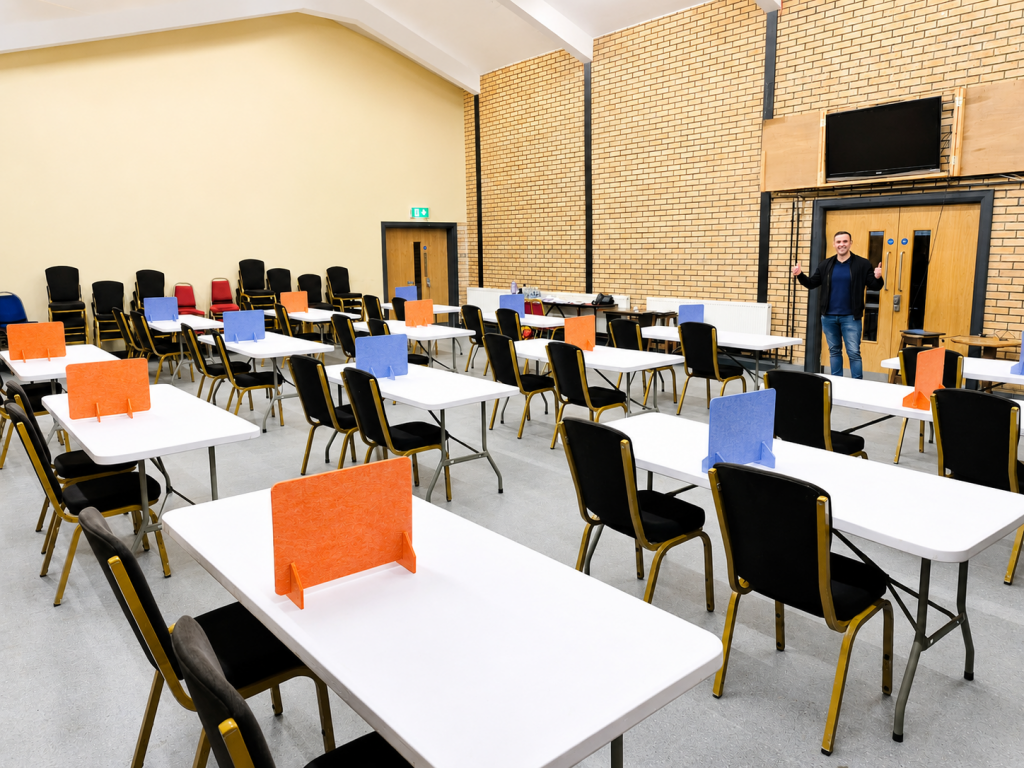
Later this year I will once again be running my SEAG mock examinations.
Previous mock dates have sold out, and they provide children with the opportunity to experience realistic exam conditions using original papers I have written based on reported SEAG question styles from my own pupils. The mock examinations are about much more than simply receiving a score. They help identify knowledge gaps, highlight avoidable mistakes and give children the opportunity to experience exam conditions while there is still plenty of time to improve.
Each mock examination also includes a follow-up Zoom walkthrough where we review the paper together, discuss common mistakes and share strategies for tackling challenging questions. Parents regularly tell me this review session is one of the most valuable parts of the experience, as it provides both children and parents with a clear plan for the weeks leading up to the Transfer Test.
This year’s mock examinations will take place on Saturday 12th September, Saturday 19th September, Saturday 17th October and Saturday 24th October at Glenn John Martin’s GAC, 32 Bar Hill, Newry, BT34 1SZ.
If you would like further information or would like to reserve a place, please feel free to get in touch.
Unlock Your Child’s Potential with Education Support Hub
Since 2019, Education Support Hub has supported children across Northern Ireland in developing confidence and skills in English, maths, phonics and SEAG Transfer Test preparation. I work with pupils from Primary 3 to Year 10 through small-group online lessons, carefully matched by ability and learning targets. This approach creates a focused yet supportive environment where children feel comfortable asking questions and learning from one another.
Parents often tell me they value the calm, structured approach and the emphasis on understanding rather than rushing content. My aim is always to help children feel capable and confident in their learning, not just for tests, but for school and beyond.
If you would like to arrange a no-obligation chat or assessment to discuss your child’s needs, please get in touch using the details below.
Daniel Guiney
Founder, Education Support Hub
📞 07513 286626
📧 daniel@educationsupporthub.co.uk
🌐 www.educationsupporthub.co.uk