

Learning Beyond the Classroom
Summer learning doesn’t always involve exercise books, worksheets or sitting at a desk. In fact, some of the most valuable learning children experience happens when they do not even realise they are learning.
With the summer holidays now in full swing and the recent spell of sunshine encouraging families to spend more time outdoors, many parents are understandably putting school books to one side for a while. After a long academic year, children deserve the chance to relax, recharge and simply enjoy being children.
One question I am often asked at this time of year is whether children should continue learning over the summer. My answer is always yes, but perhaps not in the way many people expect.
Everyday Moments Become Learning Opportunities
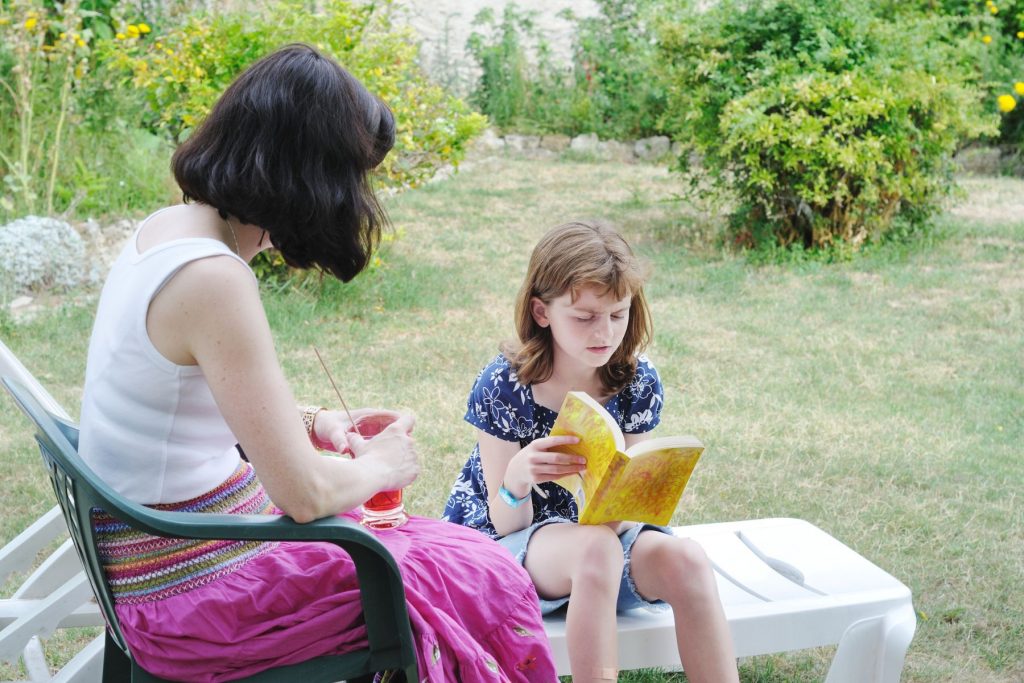
Over the years, I have found that some of the best learning happens through everyday experiences. Summer provides countless opportunities to develop important skills without children feeling as though they are doing schoolwork.
A family trip can involve reading road signs, following maps or working out journey times. A visit to the shops might mean estimating the cost of groceries, comparing prices or checking that the correct change has been received. Ordering an ice cream, reading a menu or planning a day out all encourage children to apply the maths and reading skills they have developed throughout the year.
Even something as simple as baking together introduces children to weighing ingredients, measuring liquids and following instructions carefully. Board games encourage turn-taking, counting and problem-solving, while puzzles help develop logical thinking and perseverance.
Children often learn far more than we realise during these moments because the learning has a purpose.
Reading Still Makes the Biggest Difference

If there is one activity I would encourage every family to continue over the summer, it would be reading.
Reading remains one of the greatest investments parents can make in their child’s education. It develops vocabulary, strengthens comprehension and helps children become more confident communicators.
The good news is that reading does not have to involve lengthy novels every day. Comics, magazines, newspapers, football programmes, recipe books and books linked to a child’s hobbies all count. The most important thing is that children continue reading because they enjoy it rather than because they feel they have to.
When children enjoy reading, they naturally encounter new vocabulary, improve their understanding and become more confident tackling unfamiliar texts when they return to school.
Never Underestimate Conversation

One of the simplest ways to support summer learning costs nothing at all.
Conversation.
Asking children about their day, encouraging them to explain how something works or discussing places you visit together all help develop vocabulary and confidence. Children who are encouraged to explain their thinking often become stronger writers because they learn how to organise their ideas before putting them on paper.
Sometimes parents worry that they are not doing enough over the holidays. In reality, those everyday conversations often contribute just as much to a child’s development as completing another worksheet.
Finding the Right Balance
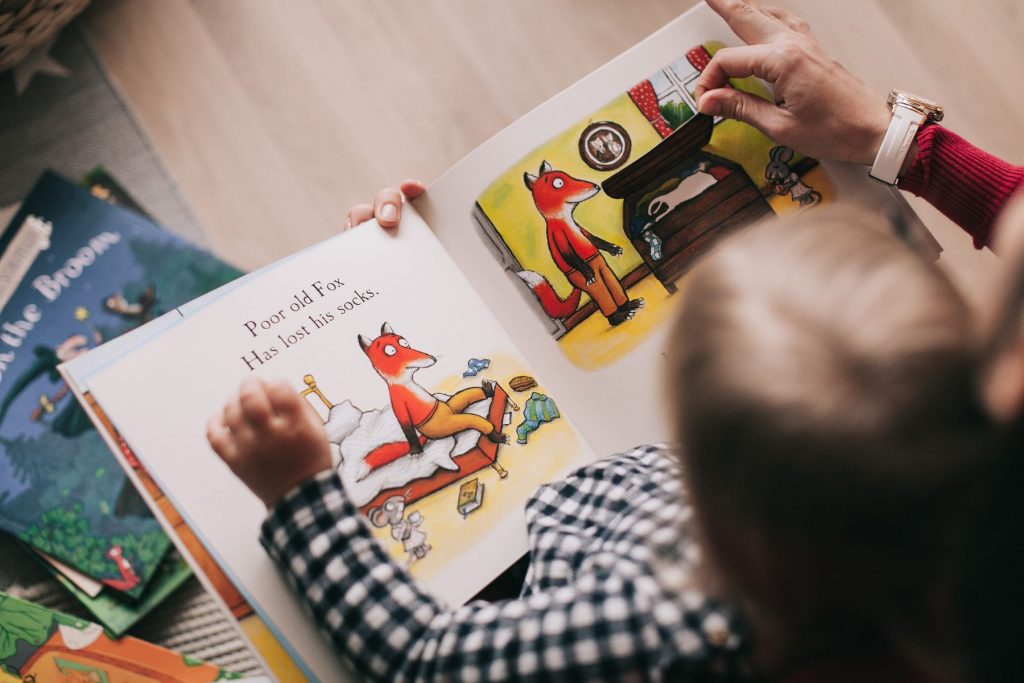
I have always believed that balance is important.
Children need opportunities to play, explore, spend time with friends and make memories with their families. Those experiences are every bit as valuable as completing another worksheet.
At the same time, keeping learning gently ticking over can make returning to school feel much less daunting. A little reading, a few maths conversations and plenty of opportunities to ask questions often have a greater impact than trying to recreate the classroom at home.
Small, consistent habits almost always produce better long-term results than occasional bursts of intensive work.
September Arrives More Quickly Than We Think
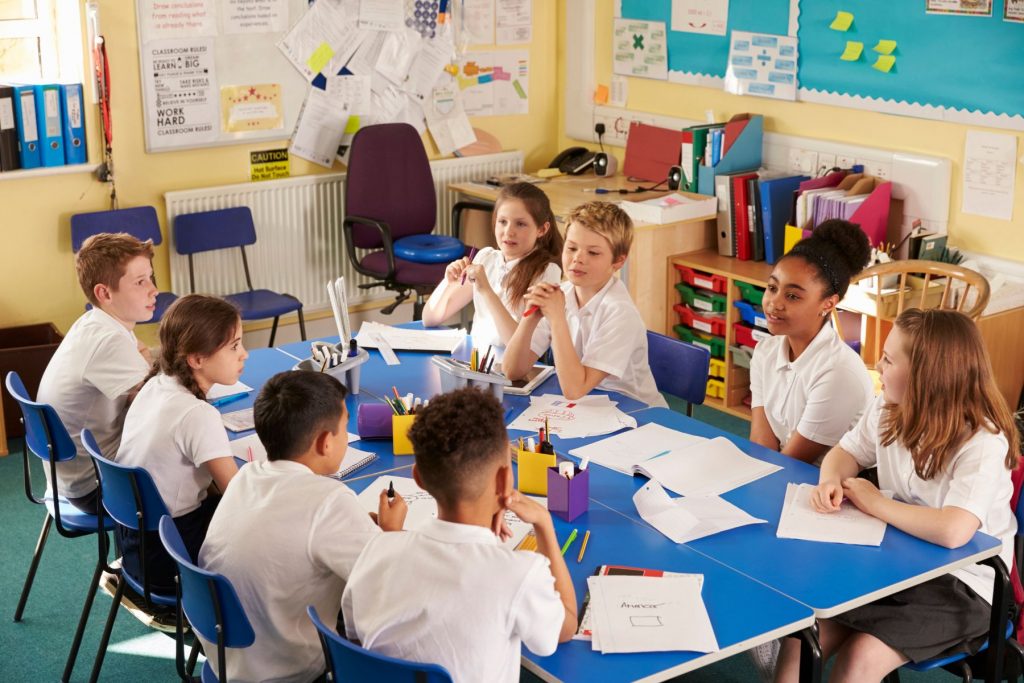
Although the holidays have only just begun, September has a habit of arriving far more quickly than we expect.
Children who have continued reading, thinking and using their skills over the summer often return to school feeling more confident and ready to learn. It is rarely because they have spent hours studying. More often, it is because they have kept their minds active through everyday experiences and maintained the habits they developed during the school year.
That is why I always encourage parents not to feel pressured into creating complicated timetables. A small amount of purposeful summer learning each week is usually enough to help children maintain confidence while still enjoying everything the holidays have to offer.
Learning Through Experiences

Some of the best memories children make during the summer also become some of their greatest learning experiences.
Visiting museums, castles, beaches or forests encourages curiosity and questions. Following a map on a family walk develops spatial awareness. Helping to plan a holiday route introduces geography and problem-solving. Keeping score during a football match, measuring a garden for new plants or helping with DIY all involve mathematical thinking without children even realising it.
When learning feels natural, children are often far more engaged. They ask more questions, make connections between ideas and begin to see that learning extends well beyond the classroom walls.
Unlock Your Child’s Potential with Education Support Hub
Since 2019, Education Support Hub has supported children across Northern Ireland in developing confidence and skills in English, maths, phonics and SEAG Transfer Test preparation. I work with pupils from Primary 3 to Year 10 through small-group online lessons, carefully matched by ability and learning targets. This approach creates a focused yet supportive environment where children feel comfortable asking questions and learning from one another.
Parents often tell me they value the calm, structured approach and the emphasis on understanding rather than rushing content. My aim is always to help children feel capable and confident in their learning, not just for tests, but for school and beyond.
If you would like to arrange a no-obligation chat or assessment to discuss your child’s needs, please get in touch using the details below.
Daniel Guiney
Founder, Education Support Hub
📞 07513 286626