
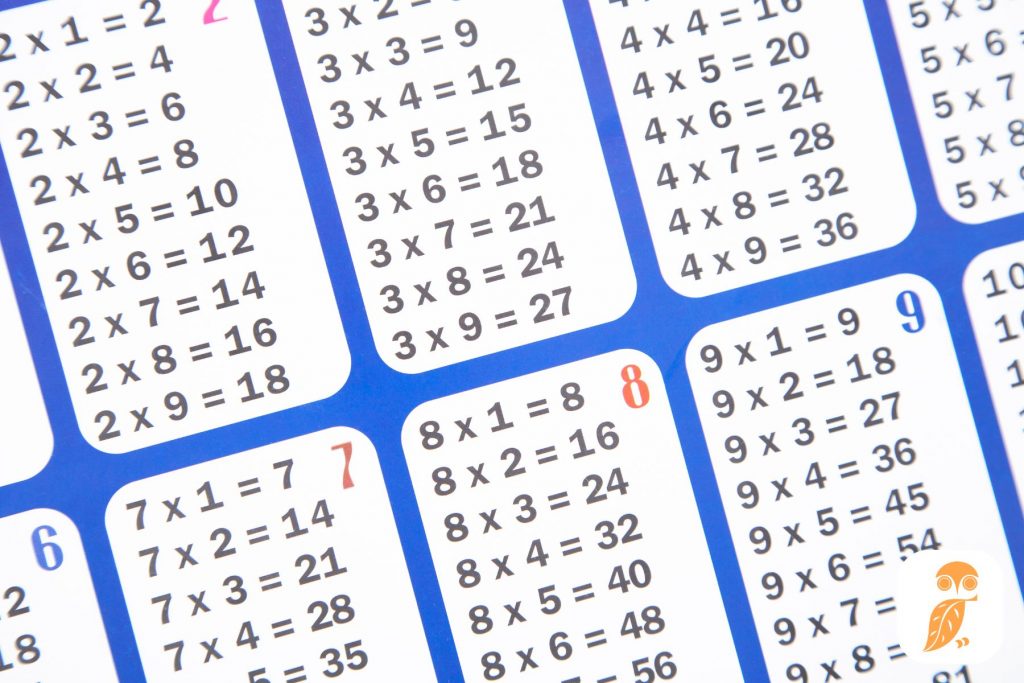
Times tables remain one of the most important foundations in a child’s mathematical development. Many parents wonder whether memorising multiplication facts is really necessary when technology can provide the answer instantly. While digital tools certainly have their place, times tables remain one of the most important building blocks in a child’s mathematical development.
When children can recall multiplication facts quickly and confidently, they are able to focus on understanding the problem they are solving rather than becoming stuck at the very first step. Without that fluency, even straightforward calculations can begin to feel overwhelming. Strong times tables knowledge gives pupils the freedom to concentrate on reasoning and problem solving instead of spending valuable time working out basic number relationships.
Times tables appear far more frequently in mathematics than many people realise. They underpin work with fractions, percentages, ratios and division, and they form the foundation for many topics that children encounter as they progress through primary school and into secondary education. When multiplication facts are secure, pupils are able to approach new concepts with far greater confidence.
Why Times Tables Still Matter

One of the clearest differences between confident mathematicians and those who struggle is fluency. Children who know their times tables can move through calculations smoothly and efficiently, while those who are unsure often pause repeatedly to work out each individual fact.
Consider a pupil attempting to simplify a fraction such as eighteen over twenty-four. A child with secure multiplication knowledge will quickly recognise that both numbers are divisible by six. Another pupil may spend several minutes testing different possibilities before arriving at the same answer.
The mathematical ability of both children may be similar, yet the experience of the task feels very different. When simple calculations require constant effort, pupils can begin to lose confidence in their ability. On the other hand, when multiplication facts come quickly and easily, children feel more capable and are far more willing to tackle challenging questions.
Over the years, I have also noticed that pupils who are less fluent in their times tables often progress through certain areas of mathematics at a slower pace. This is not because they lack ability or understanding, but because so much mental energy is being used to work out the multiplication facts themselves. Once these facts become automatic, children are able to concentrate fully on the reasoning behind the question rather than the calculation at the beginning of it.
Why Children Sometimes Find Times Tables Difficult
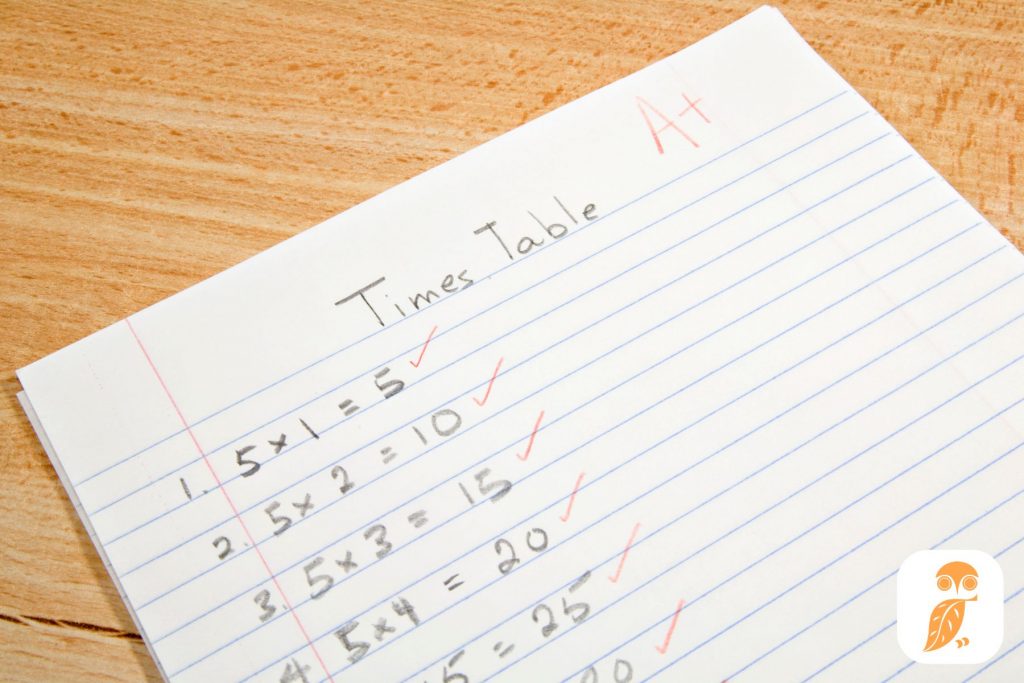
Despite their importance, many children do find times tables challenging. Unlike some areas of mathematics, multiplication facts require a combination of understanding and memorisation. Some pupils quickly grasp the concept of multiplication but struggle to recall the answers instantly when needed.
Others find the repetition involved in learning tables frustrating or tiring. It is also common for children to learn their times tables in isolation and then hesitate when asked to apply them in a different context. A pupil may be able to recite the seven times table confidently, yet still pause when asked what seven multiplied by eight equals within a word problem.
For this reason, times tables should not be treated simply as something to memorise once and then forget. Instead, they benefit from regular practice so that the facts remain familiar and easy to access.
Little and Often Works Best

One of the most effective approaches to learning times tables is to keep practice short and consistent. Five minutes of focused practice a few times each week can make a noticeable difference over time.
Children also benefit from seeing multiplication represented in different ways. Quick recall questions can be helpful, but visual approaches such as arrays, grouping objects or drawing simple diagrams often strengthen understanding. These approaches help children see multiplication as patterns and relationships rather than simply a list of numbers to memorise.
Games can also make practice more engaging. A quick family challenge, a card game or an online quiz can transform what might otherwise feel like repetitive learning into something far more enjoyable.
Encouraging children to notice patterns within times tables can also help. Once pupils recognise that the ten times table follows a clear pattern, or that doubling numbers links closely to the two and four times tables, the task becomes more manageable.
Supporting Practice at Home

Parents often ask how they can support times tables learning at home without turning it into a stressful experience. In most cases, the answer lies in keeping things relaxed and consistent.
Short questions during everyday moments can be surprisingly effective. While preparing dinner or driving to a sports activity, parents might ask questions such as “What is four times six?” or “If six times three is eighteen, what would six times four be?” These small conversations encourage children to think about number relationships in a natural way.
Praise and encouragement also play an important role. Recognising effort and improvement helps children remain motivated, particularly when they encounter more challenging tables. When pupils feel supported rather than pressured, they are far more likely to keep practising and gradually build the confidence they need. Online times tables games can make practice more engaging for children, turning repetition into something enjoyable while strengthening speed, accuracy, and confidence with multiplication facts.
Why These Skills Matter Later
Across Northern Ireland, many parents begin thinking about academic confidence as their children move through primary school. While assessments such as the SEAG Transfer Test may still feel some distance away, the foundations for mathematical thinking are built much earlier.
Strong recall of times tables helps children approach problem-solving more calmly and confidently. When multiplication facts are secure, pupils can focus on reasoning, understanding the question and explaining their thinking clearly rather than becoming slowed down by basic calculations.
A Foundation for Future Learning
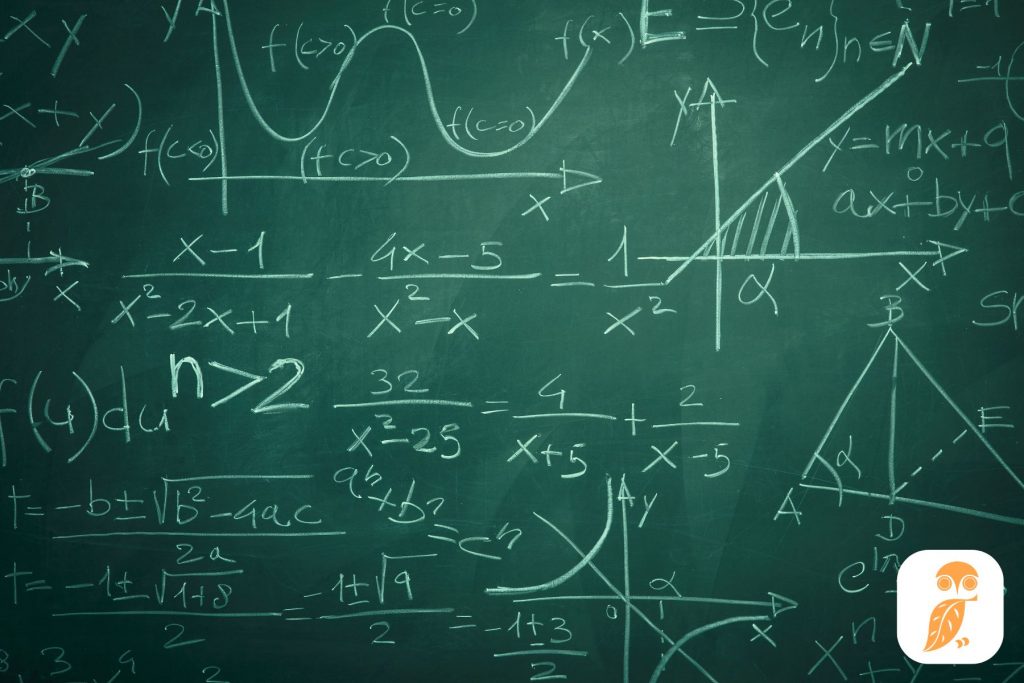
As children move through primary school, the demands of mathematics naturally increase. Topics such as fractions, percentages, ratios and algebra all rely heavily on a secure understanding of multiplication and division.
Pupils who have a strong grasp of their times tables approach these topics with far greater confidence because they are not overwhelmed by the calculations involved. Instead, they can focus on understanding the underlying ideas and applying them to new situations.
Times tables may appear to be a small part of the mathematics curriculum, but their influence extends much further than many people expect. They provide the fluency that allows children to tackle more complex challenges with greater ease. When multiplication facts become second nature, many other areas of mathematics begin to feel far more manageable.
In that sense, times tables remain one of the simplest yet most powerful foundations in a child’s mathematical learning.