

With schools across Northern Ireland preparing to reopen, I thought I would share some back to school tips for parents from a slightly different perspective this year. After years of working with children and families, I am very familiar with the excitement and concerns that come with the start of a new school year. This time, however, I am experiencing many of them myself as my little girl prepares to start Primary 1.
I know the curriculum inside out. I have spent years developing different ways of teaching English and maths and finding another approach when something does not immediately click with a child. Yet being the parent preparing to send my own child through the school gates for the first time feels very different!
Preparing for School Without Overdoing It
Over the summer, I wanted to give my daughter some background knowledge before she encounters early learning in Primary 1. We introduced letter sounds, practised blending sounds together and did a little writing. We also counted whenever the opportunity arose and introduced some very basic addition and subtraction.
That sounds very organised when I write it down. The reality was considerably less structured!
Like every other family, we have had work, family commitments, holidays, hobbies, days out and everything else that comes with having young children. It has given me an even greater appreciation of how difficult it can be for parents to fit additional learning into an already busy family life.
I left a deck of phonics cards on the kitchen island and picked them up whenever the house was quiet. That was not particularly often! Sometimes we spent ten minutes with them, sometimes only a few minutes and some days we did nothing.
Writing did not involve sitting down with worksheets either. We took some chalk outside and practised forming letters on the garden wall. She was learning and practising pencil movements without it particularly feeling like schoolwork.
It reinforced something I have said to parents for years: a little is better than nothing.
Learning Can Fit Around Family Life

Learning at home does not always need to look like homework. With younger children especially, there are opportunities everywhere.
We can count steps as we walk upstairs, share snacks with others, spot numbers when we are out, or talk about the first sound in a word. Simple addition and subtraction can be introduced using toys, food or practically anything children can count.
For older children, the same principle applies. Reading a few pages together, working out change in a shop, telling the time or discussing the meaning of an unfamiliar word all keep children thinking without necessarily announcing, “It’s time to do some schoolwork.”
If your child has done very little academic work over the summer, I would not panic. Summer holidays should include holidays. Children need opportunities to play, spend time with friends, pursue hobbies and switch off from the routines of school.
Getting the Routine Back

One of the most useful back to school tips for parents is also one of the simplest: start bringing some routine back before the first morning.
Bedtimes often get later in the summer, and mornings become much more relaxed. Gradually moving these back towards the school routine can make the first week a little easier. Official Department for Education guidance similarly recommends gradually returning to usual bedtimes and waking times before term begins.
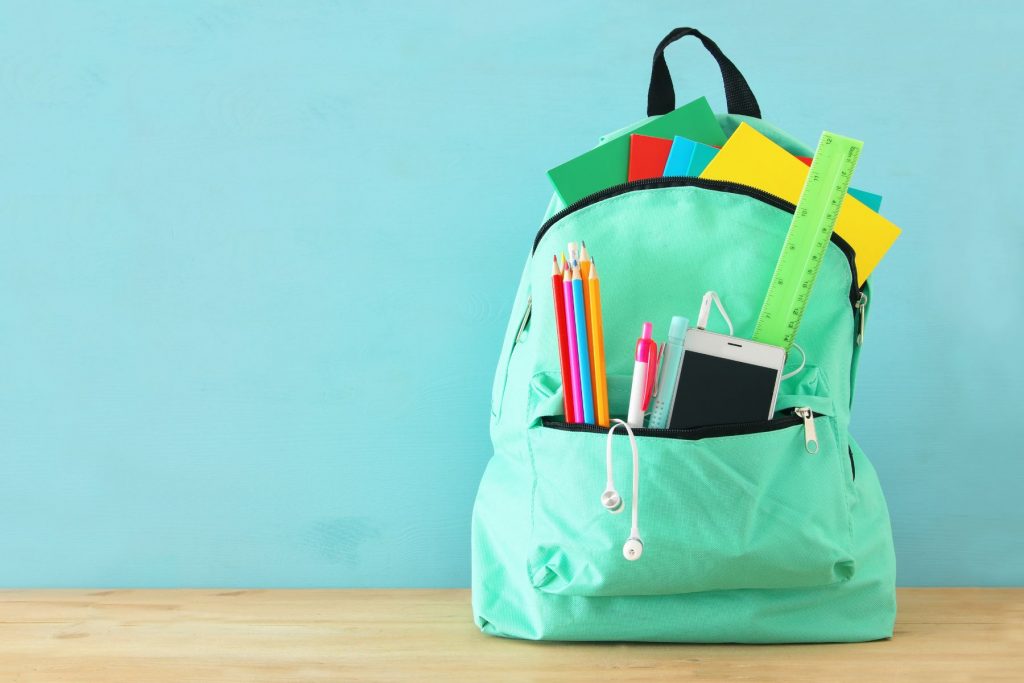
Preparing uniforms and school bags can also remove some of the unknowns surrounding the first day.
This is something I am now thinking about as a parent rather than a teacher. I know exactly what I would advise another family to do. Whether our own house runs quite as smoothly on that first morning remains to be seen!
Talk About the First Day

Children will respond differently to returning to school. Some cannot wait to see their friends and meet their new teacher, while others may be apprehensive about what lies ahead.
For my daughter, starting Primary 1 means almost everything is new.
Talking about what might happen can remove some of that uncertainty. Rather than repeatedly asking whether a child is nervous, I prefer open questions. What are you most looking forward to? What do you think your classroom will be like? Is there anything you are wondering about?
The Education Hub guidance also recommends open questions and regular conversations, particularly at relaxed moments when children may feel more comfortable talking.
Give the First Few Weeks Time

Once school begins, I do not think parents need to expect everything to fall perfectly into place immediately.
Children may be tired. New routines take time. There will probably be forgotten water bottles, missing jumpers and mornings when nobody can find something that was definitely sitting there the night before.
The first few weeks are about settling in.
One thing I have seen repeatedly through tutoring is how quickly children’s weeks can become incredibly busy. School, homework, football, swimming, dancing, tuition and other activities can suddenly fill almost every afternoon and evening.
Routine is important, but so is downtime. Children still need opportunities to play and enjoy the things they love. Official guidance similarly recommends maintaining space for enjoyable activities alongside school and homework.
My experience this summer has reinforced my belief that consistency does not have to mean hours of additional work. Ten productive minutes with a relaxed child can achieve far more than forcing a lengthy activity when everyone is tired.
Hopefully, these back to school tips for parents provide a little reassurance as families prepare for the new school year.
SEAG Mock Examination Update
For families preparing for the
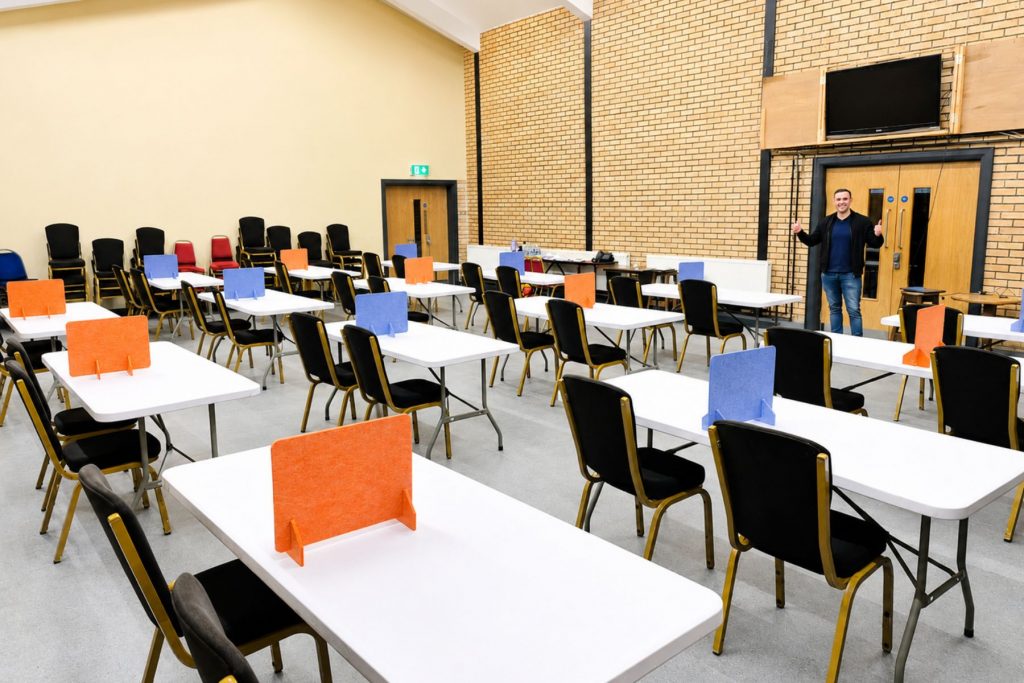
, September also means the real examinations are drawing much closer. My first annual SEAG mock examination is now only weeks away, taking place on Saturday 19th September, followed by further sessions on 26th September, 17th October and 24th October at Glenn GAC, Newry.
Children complete original English and maths papers that I write under realistic examination conditions. Each mock is followed by detailed feedback and a Zoom walkthrough in which we explore the papers, common mistakes, and areas that may need further attention. Previous years have seen individual dates sell out, so anyone considering a place is encouraged to get in touch early.
A New School Year
This year, I will be experiencing the beginning of school from both sides.
As a teacher and tutor, I understand the curriculum, the learning that lies ahead and the many different ways children can be supported. As a parent, I am discovering that knowing all of that does not magically create extra hours in the day!
Perhaps that is the most important message I can give parents as another school year begins. We do not have to recreate school at home or get everything perfect.
Read when you can. Count when the opportunity arises. Practise a few sounds. Talk about school. Encourage questions. Most importantly, give children the reassurance that we are there to support them.
A little really can go a long way.
Unlock Your Child’s Potential with Education Support Hub
Since 2019, Education Support Hub has supported children across Northern Ireland in developing confidence and skills in English, maths, phonics and SEAG Transfer Test preparation. I work with pupils from Primary 3 to Year 10 through carefully matched small-group online lessons, creating a focused yet supportive environment where children feel comfortable asking questions and learning from one another.
If you would like to arrange a no-obligation Zoom assessment to discuss your child’s learning, or enquire about remaining SEAG mock examination places, please get in touch.
Daniel Guiney
Founder, Education Support Hub
07513 286626
daniel@educationsupporthub.co.uk