
Why a Mock Exam Is About Far More Than a Score
With the first of my annual SEAG Transfer Test mock exams weeks away, many parents have been asking whether mock examinations are really worthwhile. After running them for the past five years, my answer is always the same: absolutely. However, probably not for the reason many people think.
This September will mark the fifth year of my annual mock examinations and, during that time, I have become increasingly convinced that a good mock examination is about far more than simply producing a score at the end of a paper.
Over the past five years, I have welcomed children from across Northern Ireland to my mock examinations, with many families returning with younger brothers and sisters or recommending them to others. Listening to feedback from both parents and pupils has allowed me to refine the experience each year and make it as beneficial as possible.
One comment I hear time and time again is:
“My child felt much calmer on the actual Transfer Test because they already knew what to expect.”
That has always been one of my biggest aims.
Reducing the Unknown
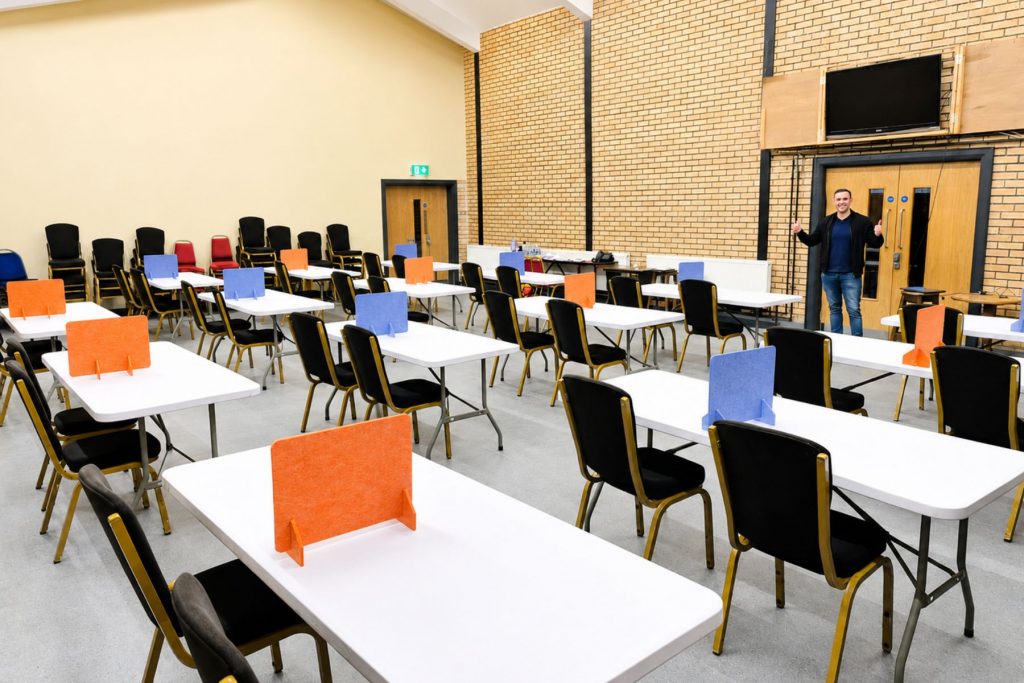
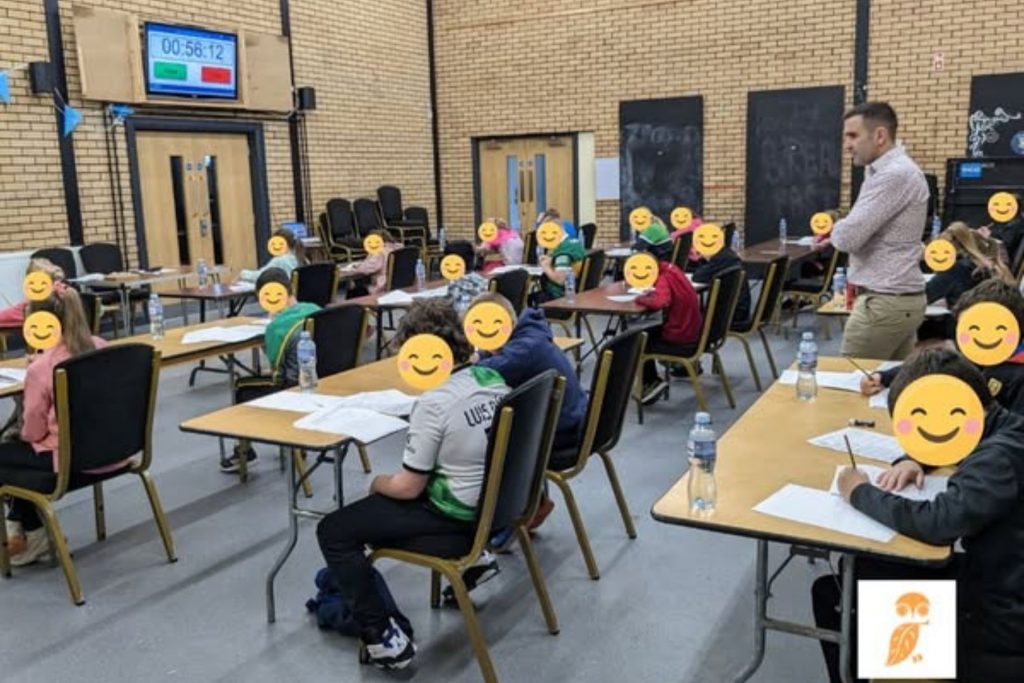
For many children, the SEAG Transfer Test is the first time they have walked into a large hall or unfamiliar classroom to sit an important examination. It is completely understandable that this can feel daunting. Nerves can affect concentration before a child has even answered the first question.
That is why I try to recreate the experience as closely as possible.
Children arrive at the same time they will on the real day, receive similar invigilator instructions and complete the papers under strict exam conditions. Throughout the examination, they hear the same style of announcements, including reminders about the time remaining. Even the equipment mirrors the real examination, with children bringing their own highlighters should they wish to use them.
Before the papers begin, we also spend a few minutes practising simple breathing and relaxation techniques. These are strategies children can use again before the actual Transfer Test to help settle any nerves. Parents have often told me that this small routine made a noticeable difference and helped their child begin the real examination feeling calmer and more in control.
By November, I want children to walk into the examination hall feeling as though they have done it before.
Confidence Isn’t Just for Nervous Children

One of the most interesting things I’ve observed over the years is that mock examinations help children in very different ways.
Some children arrive feeling extremely nervous. By the end of the morning, they realise the experience wasn’t nearly as intimidating as they had imagined. Parents regularly tell me that their child approached the real Transfer Test with much greater confidence because the surroundings, routines and expectations already felt familiar.
Mock examinations can be equally valuable for children who perhaps arrive feeling very confident. Occasionally, these pupils discover they have rushed sections of the paper, misread questions or lost marks through avoidable mistakes. Although disappointing at the time, it often provides an important reminder that success in the Transfer Test isn’t simply about academic ability.
Concentration, careful reading, managing time effectively and maintaining momentum from the first question until the last are all skills that improve with experience.
Sometimes a September mock provides exactly the wake-up call a child needs, while there is still plenty of time to improve before November.
Every Paper Is Written from Scratch

Every English and maths paper is written by me.
I deliberately create original examination papers so that no child has already completed them or previously studied the comprehension passages elsewhere. My aim is to assess a child’s understanding rather than their memory of familiar questions.
When writing the papers, I also draw upon reported question styles shared by former pupils over recent years. Although nobody can predict exactly what will appear in this year’s SEAG Transfer Test, these reported questions help me produce examinations that reflect the style, level of challenge and thinking skills children are likely to encounter.
The purpose has never been to catch children out.
It is to identify strengths, highlight areas for improvement and give children meaningful feedback while there is still plenty of time to act upon it.
The Mock Is Only the Beginning

One thing I often say to parents is that I’d much rather a child make mistakes in September than in November.
For me, the learning doesn’t stop when the papers are collected. The purpose of these SEAG Transfer Test mock exams is not simply to produce a score but to guide the weeks that follow.
Every child is invited to attend a follow-up Zoom walkthrough where we work through both the English and maths papers together. Rather than simply revealing the correct answers, we discuss the thinking behind each question, common misconceptions and the different ways certain problems could have been approached.
These walkthroughs are often where the greatest learning takes place.
Children regularly leave the session saying,
“I know exactly why I got that wrong now.”
Parents also receive detailed feedback, helping them understand whether marks were lost through timing, exam technique, avoidable mistakes or genuine knowledge gaps. That means the remaining weeks before the Transfer Test can be spent focusing on the areas that will make the biggest difference rather than simply completing more practice papers.
A mock examination should never be the end of the conversation.
In my opinion, it’s the starting point for the weeks that follow.
2026 Mock Examination Dates
This year’s SEAG Transfer Test mock exams will take place on:
- Saturday 19 September
- Saturday 26 September
- Saturday 17 October
- Saturday 24 October
Previous years have seen certain dates sell out well in advance and this year is following a similar pattern.
At the time of writing, the September sessions are already around 75% booked, while the October sessions are approximately 80% full.
If you are considering a mock examination for your child, I would encourage you to reserve a place sooner rather than later.
Build Confidence

Parents often ask whether their child is “ready” to sit a mock examination.
My answer is usually that there is rarely a perfect time.
The whole purpose of a mock is to identify what a child already does well and, more importantly, what still needs attention while there is time to improve.
A mock examination isn’t simply about producing a mark.
It’s about reducing nerves, building confidence, improving exam technique and giving both parents and children a clear plan for the weeks leading up to the Transfer Test.
I believe SEAG Transfer Test mock exams are one of the most valuable preparation tools available to Primary 6 pupils. For many children, that’s worth far more than the score itself.
Unlock Your Child’s Potential with Education Support Hub
Since 2019, Education Support Hub has supported children across Northern Ireland in developing confidence and skills in English, maths, phonics and SEAG Transfer Test preparation.
I work with pupils from Primary 3 to Year 10 through carefully matched small-group online lessons, creating a supportive environment where children feel comfortable asking questions, building confidence and reaching their potential.
Alongside weekly tuition, I also organise realistic SEAG Transfer Test mock exams to help children experience exam conditions, receive detailed feedback and approach the real examinations with confidence.
If you would like to reserve a mock examination place or arrange a no-obligation Zoom assessment to discuss your child’s learning, please get in touch.
Daniel Guiney
Founder, Education Support Hub
📞 07513 286626
📧 daniel@educationsupporthub.co.uk
🌐 www.educationsupporthub.co.uk