
Beginning phonics for preschool children can feel both exciting and overwhelming. As parents, we know how important early reading skills are, yet finding the time and energy to support them consistently is not always straightforward. Recently, I have started this journey again with my youngest child, who is currently in preschool, and it has reminded me that phonics does not need to be complicated to be effective.
There are countless creative activities designed to support phonics for preschool learners. In the classroom, I have used playdough to mould letters, shaving foam trays for writing practice, and sensory games that make learning tactile and memorable. These methods absolutely have value. They engage different learning styles and can help embed understanding in enjoyable ways.
However, real life at home can look very different from life in a classroom.
When Good Intentions Meet Busy Days
In a household balancing work, multiple children, after-school activities and everyday responsibilities, organising elaborate phonics activities is not always realistic. Often, the difficulty is not knowing what to do, but finding the time to do it. In those moments, simplicity becomes essential.
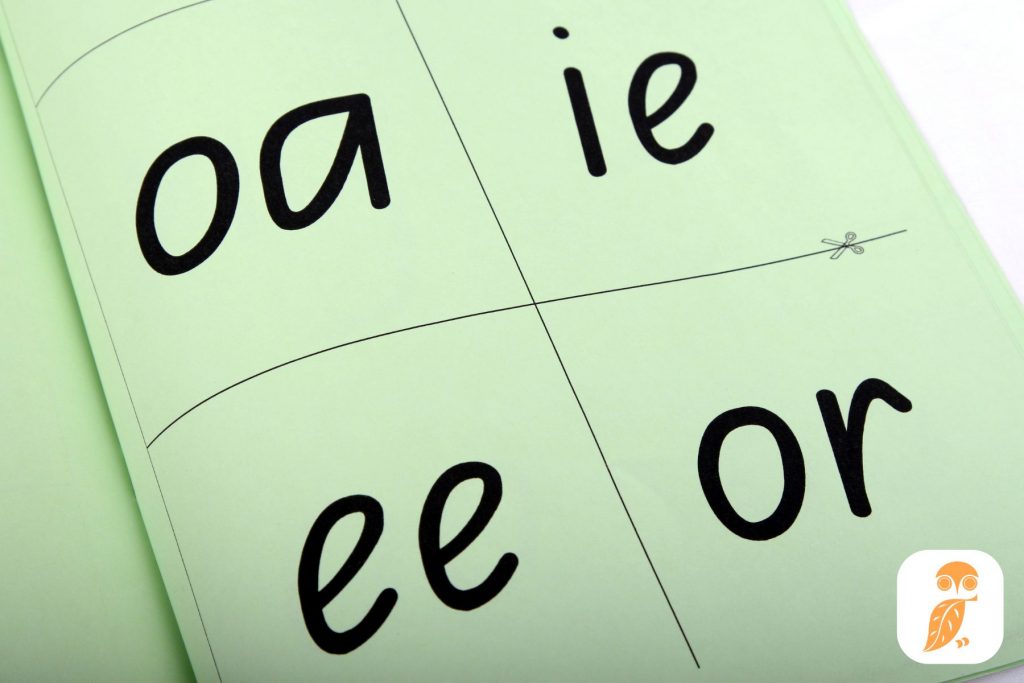
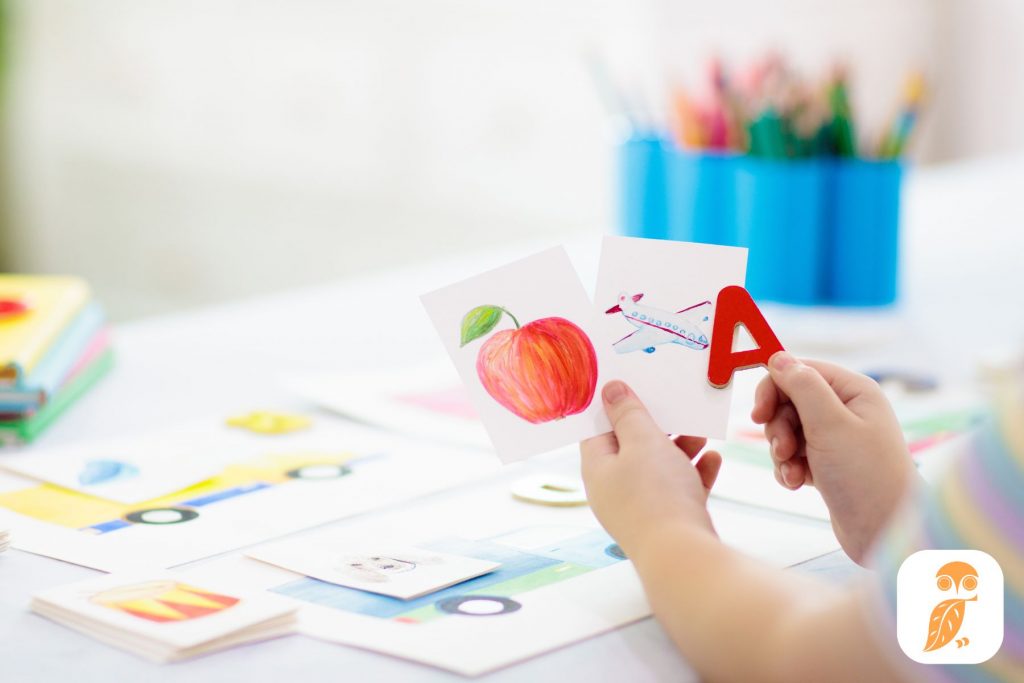
With my own daughter, I chose to keep phonics for preschool as manageable as possible. I bought a small pack of phonics cards and a themed phonics writing book that she enjoys. They are not elaborate or particularly inventive, but they are easy to reach for when a spare few minutes appears. The phonics cards sit on the kitchen island as a quiet prompt. Some days we use them. Other days, they remain untouched, and that is perfectly normal.
Phonics for preschool does not require long, formal sessions. In fact, short and regular bursts of practice are usually far more effective. A few minutes focusing on one sound, blending simple words, or writing a short spelling can be enough to reinforce learning. A few minutes playing an online game can also be effective. What matters most is consistency over time.
Why Little and Often Works Best
One of the most important aspects of phonics for preschool children is repetition. Young learners need to encounter sounds again and again before they become secure. Hearing a sound, seeing it written, blending it into words and using it in context all contribute to deeper understanding.
It is also important to remember that progress is rarely linear. Children may confidently recognise a sound one day and hesitate the next. This is not a sign that learning has failed. It is simply how memory develops. Revisiting sounds gently and regularly allows knowledge to settle rather than fade.
Praising effort rather than accuracy plays a significant role here. When children feel encouraged for trying, even when they make mistakes, they are more likely to engage positively. As both a teacher and a parent, I occasionally need to remind myself that confidence builds through encouragement, not correction alone.
Finding Phonics in Everyday Life
Some of the most effective phonics moments do not look like lessons at all. Phonics for preschool can be woven into everyday routines in natural and meaningful ways.
Noticing a focus sound on a shop sign, cereal box or street name helps children understand that sounds are everywhere. When reading a bedtime story, pointing out the focus sound in different words reinforces learning in context. This makes phonics feel purposeful rather than separate from real life.
Blending can also be incorporated casually. Slowly sounding out a simple word and inviting a child to blend it together keeps skills active without preparation. Counting sounds on fingers while saying a word aloud encourages children to think about how words are constructed.
These small interactions often have more impact than carefully prepared activities because they feel natural and connected to daily experiences.
Keeping Learning Manageable
Parents sometimes worry that they are not doing enough to support phonics for preschool. In reality, what children benefit from most is steady reinforcement and a positive atmosphere around learning.
Ten focused minutes now and again is usually more effective than attempting to replicate school at home. Revisiting familiar sounds is more beneficial than rushing ahead to new ones. Maintaining a relaxed tone helps children associate phonics with confidence rather than pressure.
Phonics is cumulative. Children build knowledge gradually, layering new sounds onto existing ones. When practice feels manageable, children are more likely to remain engaged and motivated.
How Online Phonics Lessons Can Support This

In my own online phonics lessons, I follow the same principles. Each session focuses on one sound. We read and write simple spellings, use the words in slightly silly sentences, and draw pictures of words containing our focus sound. Children read short extracts that include the sound and type words into the chat feature, which they genuinely enjoy. The sessions are interactive, structured and calm, designed to reinforce learning without overwhelming young learners.
Phonics for preschool children does not need to involve elaborate setups or lengthy sessions. In busy homes, simple tools, short bursts of practice and everyday conversations about sounds often make the greatest difference.
Sometimes the most meaningful learning happens not in carefully organised sensory trays, but in five quiet minutes at the kitchen table, noticing a sound together and celebrating the effort to try.